Dahlya: A Handwritten Font That Brings Warmth to Web Design
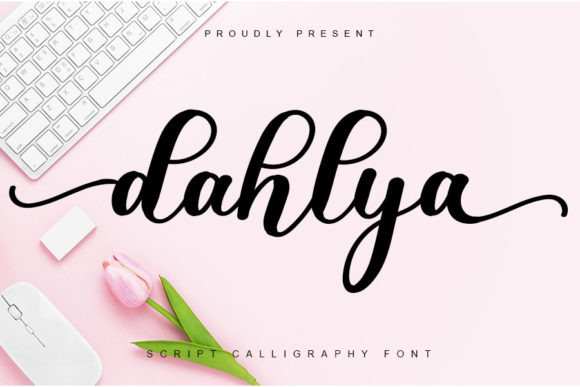
When you spend your days balancing visual hierarchy with brand tone, every typeface decision matters. I have tested dozens of script fonts for client landing pages, online store banners, and digital brand kits, and most fall into one of two camps: either they look stunning in a logo mockup but break apart on a mobile screen, or they read clearly but lack any real personality. Dahlya sits in a rare middle ground. It is a handwritten font that carries charm and elegance without sacrificing the practical needs of digital work. Its letterforms feel organic yet intentional, with flowing strokes that suggest care and craftsmanship rather than randomness. For any designer building a brand identity around warmth, approachability, or refined creativity, this typeface deserves a close look.
What Dahlya Brings to Digital Layouts
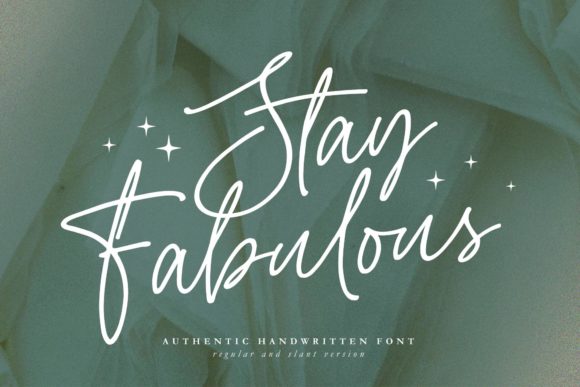
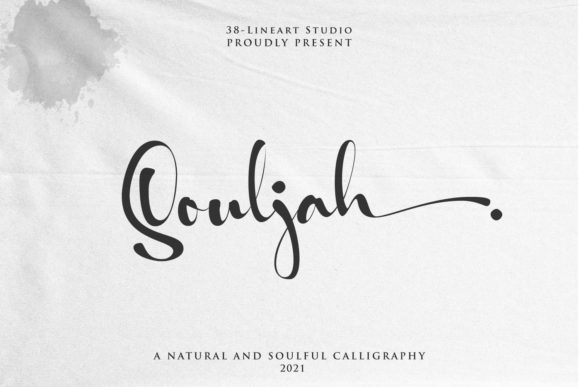
Dahlya belongs to the Script Amp category, and it shows in the way each character connects naturally. The strokes have a gentle rhythm that avoids the mechanical stiffness of many digital scripts. The x-height is well-proportioned, which helps the font hold up in smaller sizes without losing its handwritten character. The ascenders and descenders are graceful but not exaggerated, meaning you can use Dahlya in tight spaces like navigation highlights or button labels without awkward clipping. The overall personality sits somewhere between polished calligraphy and a personal note, making it suitable for brands that want to feel both professional and human. Whether you are working on a coaching website, a boutique online store, or a creative portfolio, the font brings a sense of genuine care to the screen.
Using Dahlya in Hero Sections and Headlines
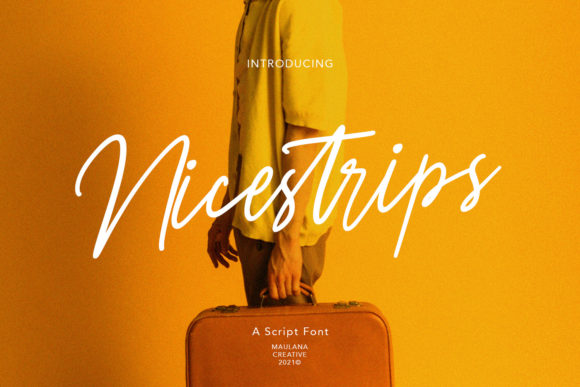
One of the first places I test any script font is the hero header. This is where first impressions happen, and Dahlya performs well when given enough breathing room. For a full-width hero title, pair it with generous letter-spacing and a clean background, either light or dark, to let the stroke contrast stand out. The font works beautifully for short phrases of five to eight words, where the handwritten flow can be appreciated without overwhelming the reader. In a landing page for a wedding photography studio or a handmade ceramic shop, Dahlya immediately signals a personal touch. The headline becomes the emotional anchor of the page, and the script style invites the visitor to slow down and engage. Because the letterforms are not overly ornate, the text remains legible even at larger sizes, which is a common pain point with decorative scripts.
Where Dahlya Fits in Visual Hierarchy
In digital design, visual hierarchy is everything. Dahlya earns its place at the top of that hierarchy, in hero titles, section headings, call-to-action labels, and short decorative accents. It is not a body text font, and I would not recommend it for paragraphs longer than a single sentence. The handwritten style works best in short bursts where the reader can absorb the personality without fatigue. For subheadings or supporting text, consider scaling down to a moderate size and adding some tracking to improve clarity. Dahlya also shines in logo text and brand taglines where the font itself becomes part of the visual mark. In a digital brand kit, using Dahlya for pull quotes, testimonial highlights, or menu labels adds a layer of warmth that a standard sans serif cannot replicate. The key is to use it deliberately, letting it carry emotional weight rather than informational load.
Practical Applications Across Digital Projects
Let me walk through a few real scenarios where Dahlya makes sense. For a creative portfolio site, use Dahlya in the header to state your name or studio name, then pair it with a clean sans serif for project descriptions and navigation. The contrast between the handwritten title and the crisp body copy creates a memorable brand rhythm. For a boutique online store that sells artisan goods, Dahlya works well in category banners, product taglines, and add-to-cart button labels. The script conveys the handmade quality of the products themselves. For a coaching website or course sales page, Dahlya in the hero can frame the transformational message with a personal voice. It signals that the offering comes from a real person, not a faceless brand. In digital ads or social media graphics, a short phrase in Dahlya over a bold background image often outperforms clean fonts in click-through rates because the handwritten style feels less like marketing and more like a conversation.
Readability and Responsive Behavior
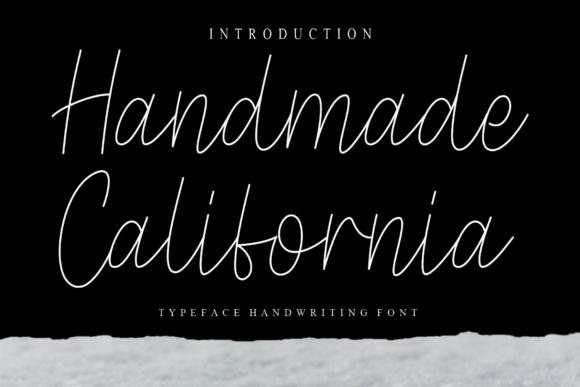
Readability on mobile screens is the make-or-break test for any script font. Dahlya holds up reasonably well at medium sizes, around 24 to 36 pixels on a phone display, provided the background is clean. On light backgrounds with good contrast, the strokes remain distinct even at slightly smaller sizes. On dark backgrounds, the font gains a luminous quality that works beautifully for hero overlays, but keep the text size generous. For image overlays, place Dahlya in an area of the image with consistent contrast, and consider adding a subtle text shadow or color overlay behind the text to maintain legibility. Avoid using the font for small buttons or microcopy below 16 pixels, as the handwritten details can blur on dense screens. For responsive layouts, I recommend setting a minimum font size in CSS to ensure Dahlya never scales down to a point where its charm becomes a readability liability.
Font Pairing Strategies for Dahlya
The best digital designs treat font pairing as a partnership, not a competition. Dahlya, as a handwritten display font, pairs naturally with a simple sans serif for body copy. A clean geometric sans like Montserrat or Raleway balances the organic feel of the script, creating a layout that feels both personal and structured. For a more editorial digital identity, consider a serif font like Merriweather or Playfair Display for headings and body text, reserving Dahlya for accent words or logos. The serif pairing works especially well for lifestyle blogs, magazine-style landing pages, or premium product sites. If you want a minimalist modern look, pair Dahlya with a thin sans serif in the same weight family, so the script stands out as the only decorative element. The rule of thumb is to let Dahlya be the voice and let its partner font provide the structure.
File Formats, Webfont Options, and Technical Practicalities
Before committing a font to a live project, check the included file formats. Dahlya is available in the standard formats that work for most web and print workflows. For web use, ensure you have a webfont version or a reliable way to host it via CSS. Some script fonts include stylistic alternates or swashes that can add variety to headings or logos, so verify whether Dahlya includes these options. Multilingual support is another practical consideration if your audience spans multiple languages. Review the character set to confirm it covers the accents and glyphs you need. For digital product creators building templates or brand assets, having a complete set of ligatures and alternates can save hours of manual adjustment. Always test the font in your actual design environment, whether that is Figma, Webflow, or a direct CSS implementation, before delivering to a client.
Commercial Licensing for Web and Client Projects
Licensing is one of those details that can derail a project if overlooked. Dahlya is a commercial font, and using it in websites, online stores, landing pages, or client brand assets requires the appropriate license. If you are a freelancer or agency building sites for clients, check whether the license covers web embedding, number of page views, or number of projects. Some commercial fonts limit usage to a single domain or require an extended license for multi-client use. For digital templates sold on marketplaces, confirm that the license allows for inclusion in template files. A clear understanding of the licensing terms upfront prevents costly replacements later. I recommend keeping a licensing folder for every font you use in client work, with notes on where it is deployed and under which terms. It is a small discipline that protects both your work and your reputation.
Making Dahlya Part of a Consistent Digital Identity
Consistency is what turns a set of pages into a brand. Once you decide to use Dahlya, define its role clearly and stick to it across the site. Use it in the same context every time, whether that is hero headings, logo text, or accent quotes. Define a size range, a color palette, and a background treatment that works for each use case. Document these choices in your design system or style guide so that every team member or future collaborator applies the font consistently. When Dahlya appears in predictable places, visitors start to associate its handwriting style with the brand itself, building trust and recognition. That kind of subtle brand reinforcement is exactly what a well-chosen typeface should do. It should feel intentional, not accidental, and Dahlya gives you enough personality to make that intention clear.